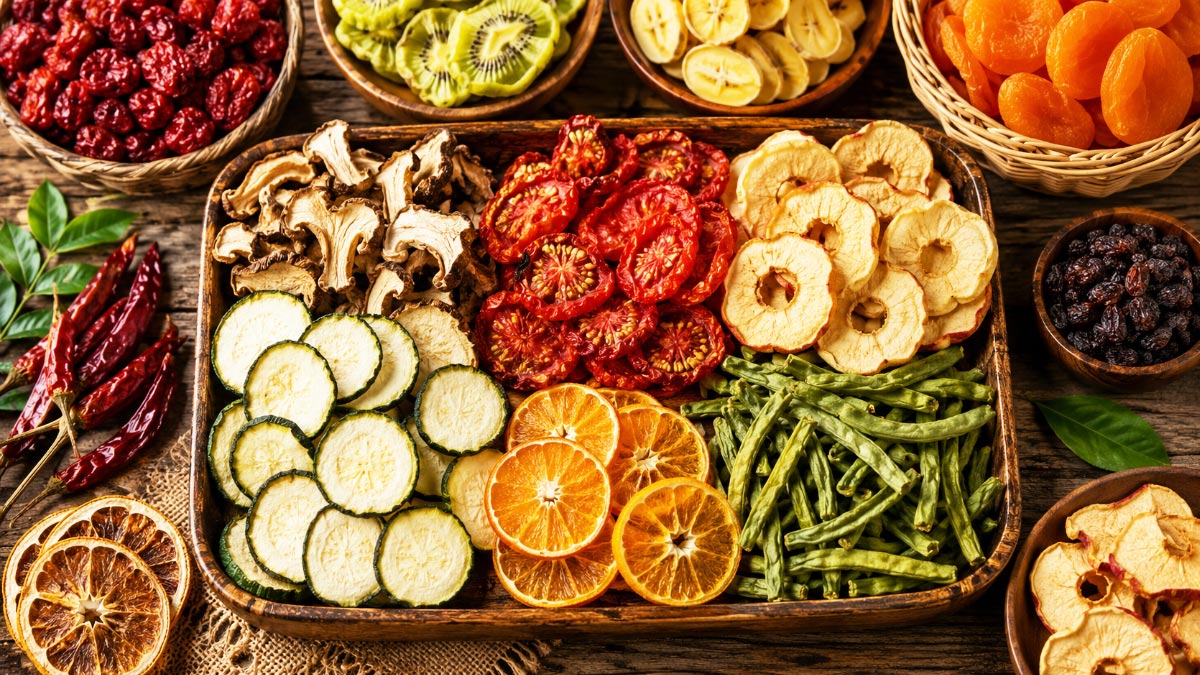
Dried vegetables and fruits
Dried vegetables and fruits are a great source of various nutrients. They contain many vitamins, minerals, and fiber that are essential for a healthy diet. Some of the nutrients found in dried vegetables and fruits include:
1. Fiber: Dried fruits and vegetables are high in fiber, which helps keep the digestive system healthy and prevents constipation.
2. Vitamins: Dried fruits and vegetables contain many vitamins, including vitamin A, vitamin C, and vitamin K, as well as B vitamins such as thiamin, riboflavin, and niacin.
3. Minerals: Dried fruits and vegetables are rich in minerals such as calcium, iron, potassium, and magnesium.
4. Antioxidants: Some dried fruits and vegetables, such as blueberries, are high in antioxidants, which help protect the body from damage by harmful substances called free radicals.
Overall, dried vegetables and fruits can provide a nutrient-dense snack or ingredient for meals and contribute to a well-rounded and balanced die
Dried fruits and vegetables are very convenient for consumption in various situations due to their long shelf life, portability, and ability to be used in a variety of ways. Here are some examples:
1. As a snack: Dried fruits and vegetables are a perfect snack for when you’re on the go or need a quick energy boost. They require no preparation and can easily fit into a bag or purse to take with you wherever you go.
2. In trail mix: Dried fruits and vegetables are often included in trail mixes, which are perfect for hiking, camping, or any outdoor activity.
3. At work/school: Dried fruits and vegetables are an easy and convenient snack to bring to work or school. They can be eaten on their own or added to a salad, yogurt, or oatmeal for a nutritious and delicious meal.
4. In baked goods: Dried fruits, such as raisins or cranberries, are often used in baking muffins, bread, and cakes to add flavor and texture.
5. In savory dishes: Dried vegetables, such as sun-dried tomatoes or mushrooms, are often used in savory dishes such as pasta, casseroles, and stews to add flavor and nutrition.
Overall, dried fruits and vegetables are easy to add to a variety of meals and snacks, making them a convenient option for anyone who wants to add more nutrition to their diet without sacrificing convenience.
Dried fruits
Dried fruits are one of the oldest and healthiest snacks, cherished throughout history. They not only offer delightful flavors but also pack a nutritional punch. Here are some interesting points you could feature in your blog about dried fruits:
Benefits of Dried Fruits
1. Rich in Vitamins and Minerals: Dried fruits are excellent sources of vitamins such as vitamin C and A, as well as minerals like iron and calcium.
2. Antioxidants: Many dried fruits contain powerful antioxidants that help fight free radicals and reduce the risk of chronic diseases.
3. High in Dietary Fiber: They provide a good amount of dietary fiber, which aids in digestion, lowers cholesterol, and helps control blood sugar levels.
4. Energy Boost: Due to their complex carbohydrates, dried fruits offer sustained energy, making them an ideal snack for athletes.
Popular Dried Fruits
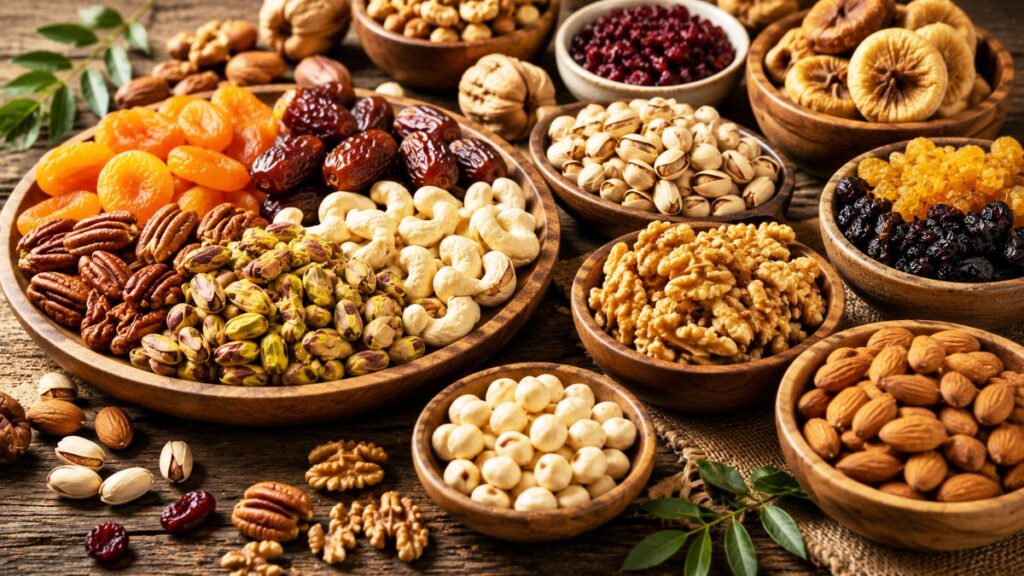
– Raisins: Packed with iron, potassium, and potent antioxidants.
– Dates: Rich in natural sugars and fiber, perfect for an instant energy boost.
– Dried Apricots: Contains vitamin A and iron, beneficial for vision and energy.
– Dried Mulberries: Offers fiber, vitamin C, and antioxidants.
Tips for Consuming Dried Fruits
– Moderation is Key: While dried fruits are healthy, they should be consumed in moderation due to their high natural sugar content.
– Choose Unsweetened Options: Opt for dried fruits without added sugars or chemicals to get the most natural benefits.
– Proper Storage: Keep dried fruits in a cool, dry place in airtight containers to maintain their freshness and taste.